Charger-less Parking

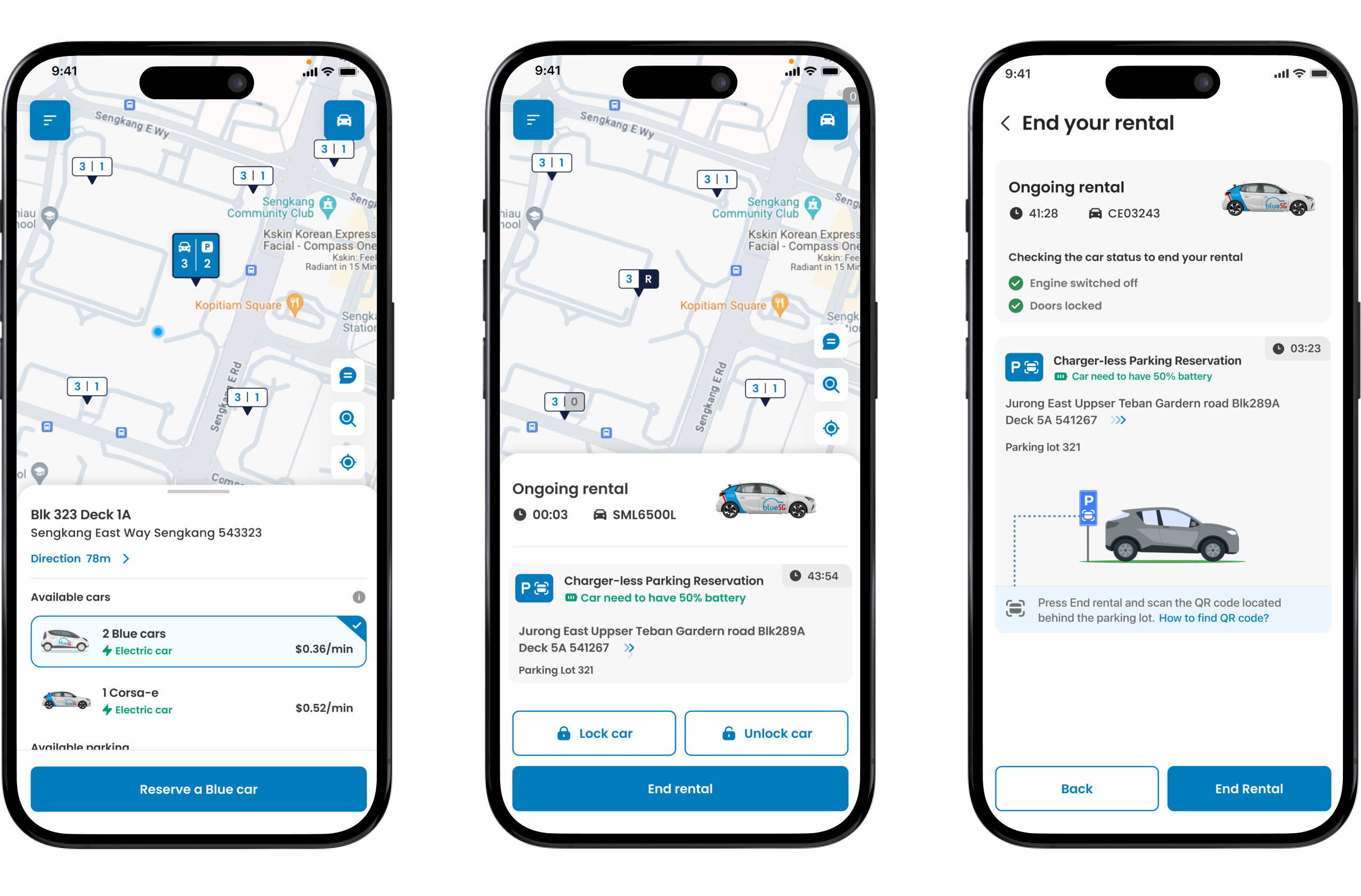
Explore and validate the feasibility of implementing charger-less parking options for A-B electric car-sharing service users and enhance user experience, and boost adoption.

OUTCOME

Demonstrated the feasibility and effectiveness of using charger-less parking to increase the car fleet utilization by 24% & reduce the car idle time by 18%.

IMPACT[Currently for beta users Expected to go live on Feb 2025]

Expected to, increase of usage by 20% and increase of the revenue by 18%
WHAT IS BLUESG
Introduction
BlueSG is the one and only A-B electric car-sharing company in Singapore. Based on the Churn & less engaged user research, Car & parking availability are the key pain points for the users. BlueSG owns cars, and the charging points are from 3rd party vendors.
  • Since the charging point operators have limited locations all around, Singapore BlueSG is not able to release more cars for users.
  • The operations team is having a hard time handling the abandoned cars.
  • The operation cost of increasing the charging points is very high.
IDENTIFICATION
Problem
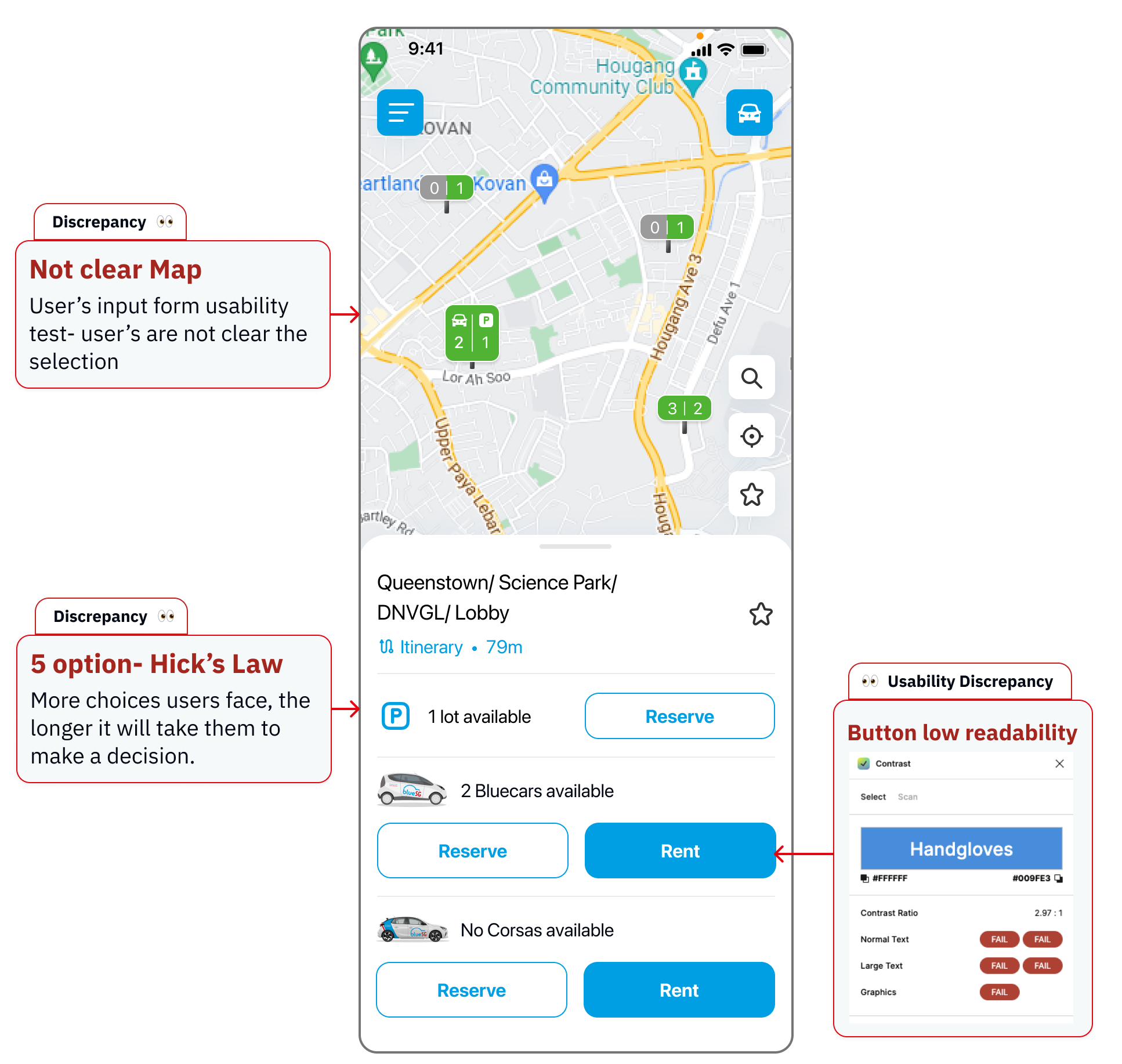
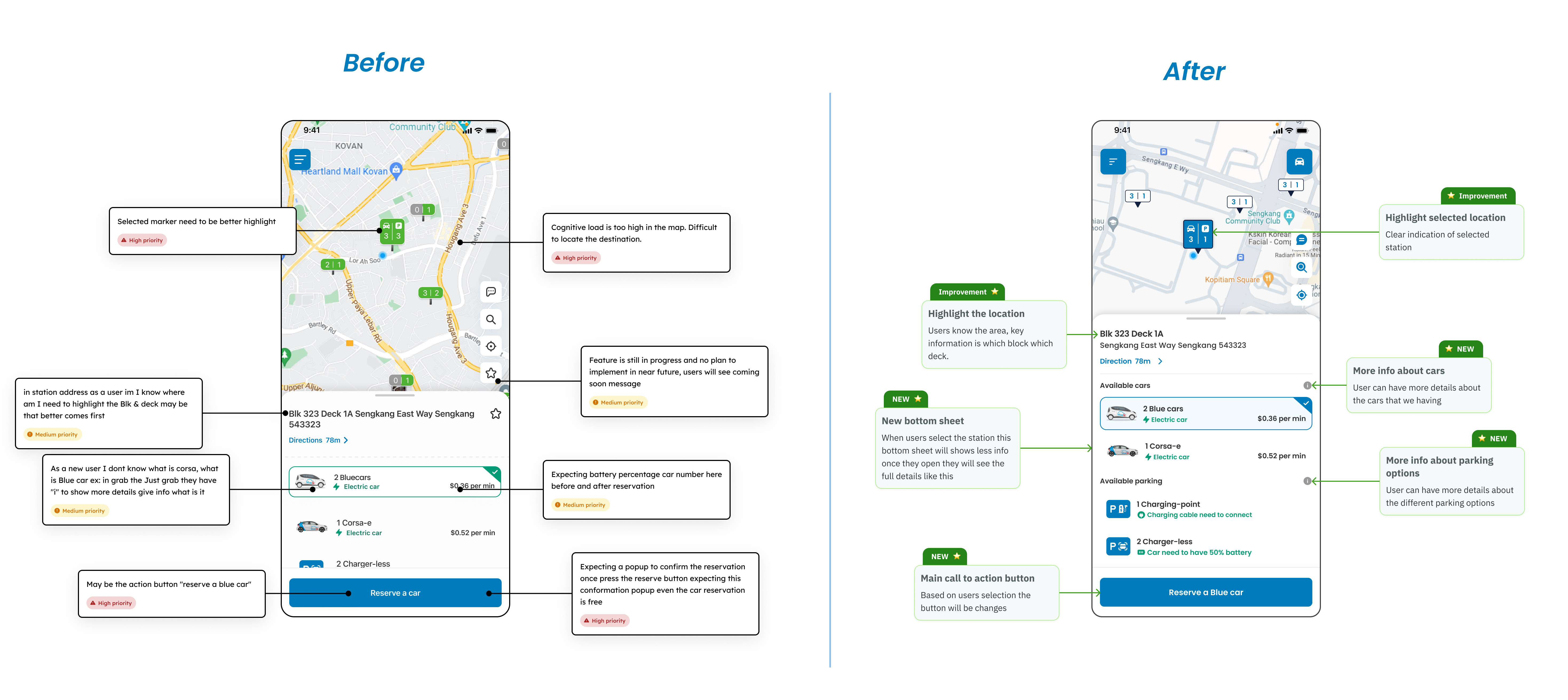
Since BlueSG has Extra cars, Parking availability is the key pain point. But apart from the availability identified, the current Visual design issues that users are struggling with.
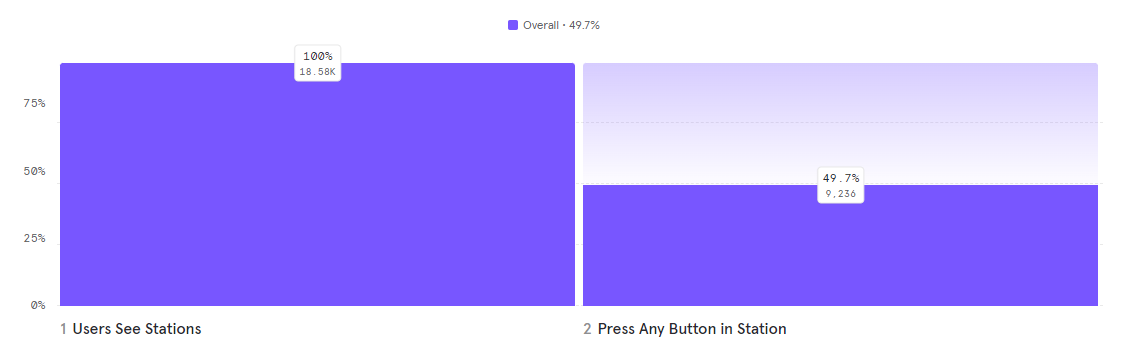
  • High drop off, conversion rate is only 49%
  • High cognitive load and inconsistent flows cause users to have difficulties in decision-making.
  • High number of mobile app support requests.
  • Usability and accessibility issues.
HOW TO MEASURE
Success metrics
  • Rental conversion Rate: How many x% user select station will go to Reservation / Rental
  • Parking Availability: How many x% user end rental in new parking lots
  • User Satisfaction and Usability Scores: Net Promoter Score (NPS), or System Usability Scale (SUS) scores before and after
  • Decrease in Support Requests: Reduce the App related support request by X%
WORKSHOP
Problem Discovery
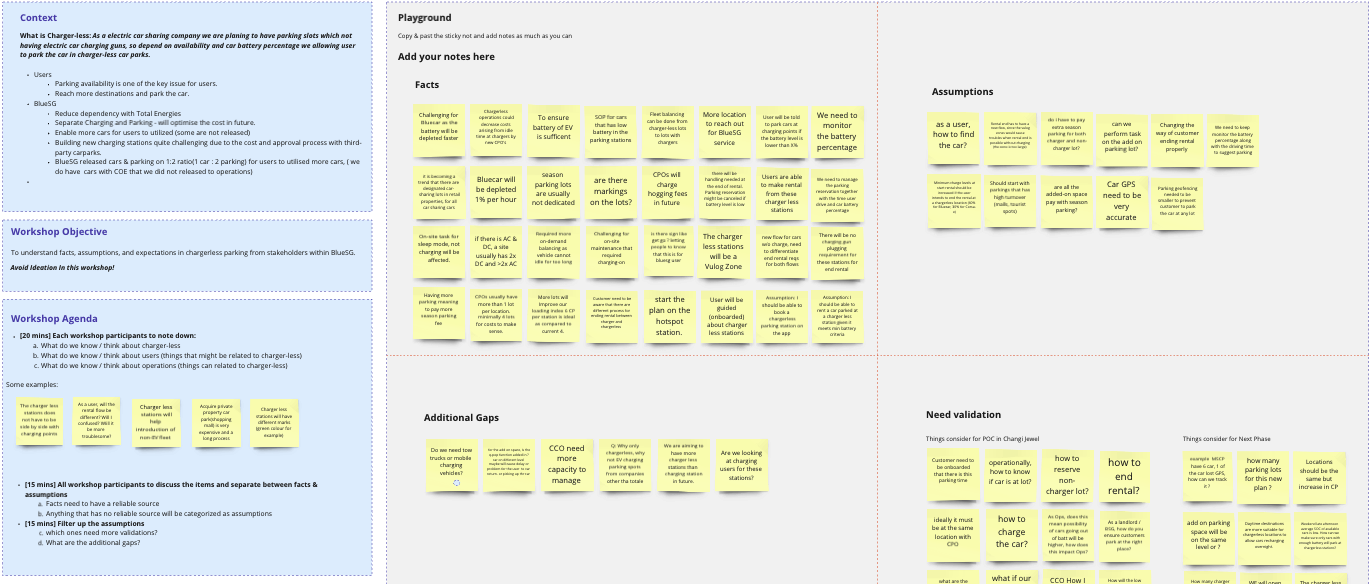
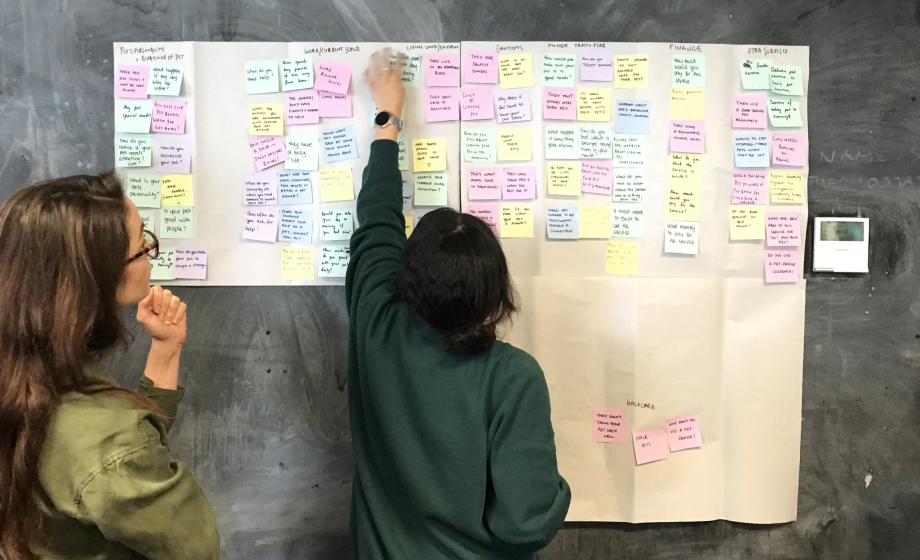
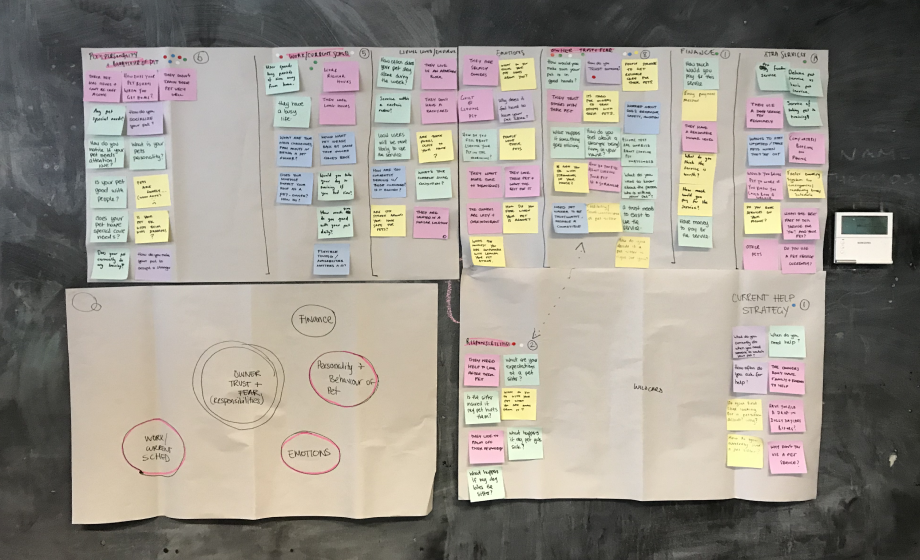
Facilitate a workshop with the stakeholders from different departments to explore and deep dive into the problem.

This Assumption Smash workshop gave a better idea of facts and assumptions and filtered up the points that need more validation. It helps to identify the correct research method and context of the research.
8
Workshop participants
180
Minutes duration
12
Cup of coffee
INTERVIEW
Talk to users
interviewed external users for B2C and internal operations for B2B, using two scripts with 22 open-ended questions to uncover values, motivations, and routines. Interviewed three B2C users over four days and synthesised the findings to identify key insights. Additionally, I shadowed the operations team to understand their processes and pain points, which informed the development of the operations platform for the charger-less initiative.
  • Car battery level is critical need to check the battery percentage frequently
  • Charger-less car can be challenging to track wether user end the rental in correct location.
  • Fleet technician's need to perform some tasks at the station, and the operations team needs to disable the cars for user
  • The operations team needs to reserve the lot for dropping off the abandoned cars by towing.
CURREN PROCESS
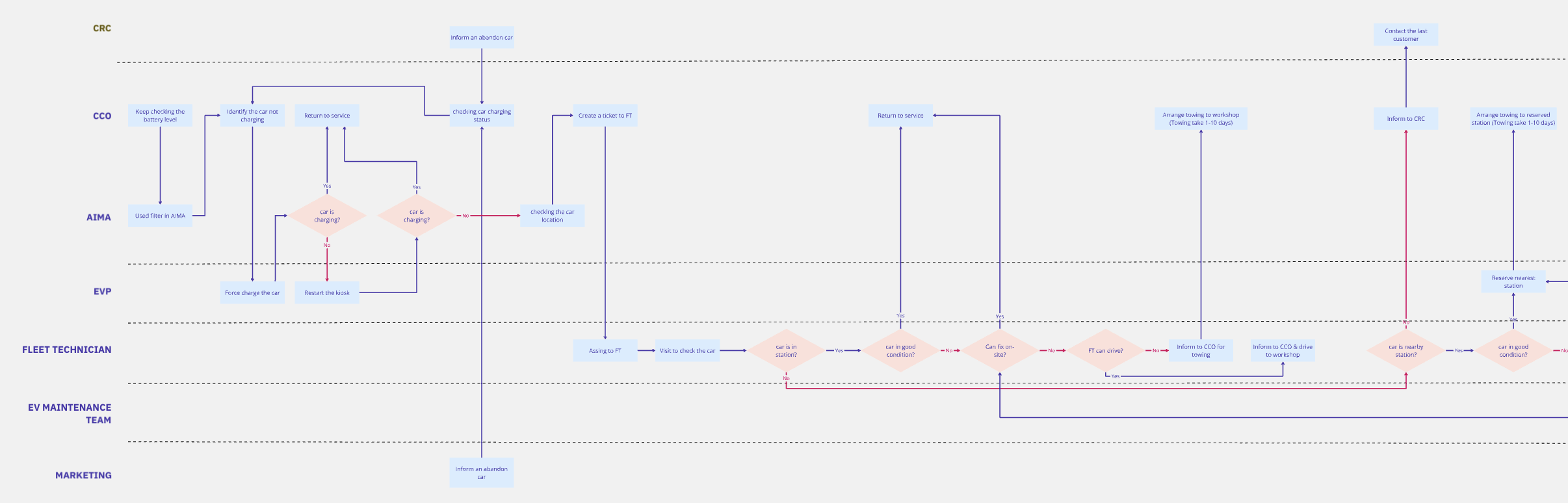
Operation team process
According to interview patterns required to understand the operation team current process
HARDWARE
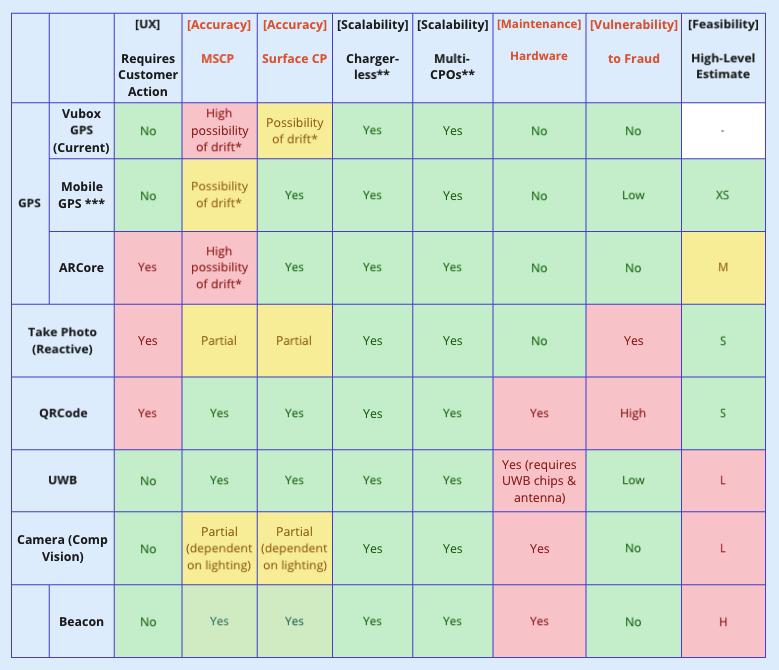
Hardware for end the rental
Based on the operations team data, a workshop will be conducted to identify the end rental technology for charger-less cars.
OUTCOME
End rental with QR code
Identifying the QR code end rental will be the ideal solution for the charger-less POC [Decision factors: Effort of installation, Cost, Timeline for charger-less]
USER
HMW seamlessly letting user to use the charger-less cars?
OPERATIONS
HMW manage the charger-less cars & parking lots?
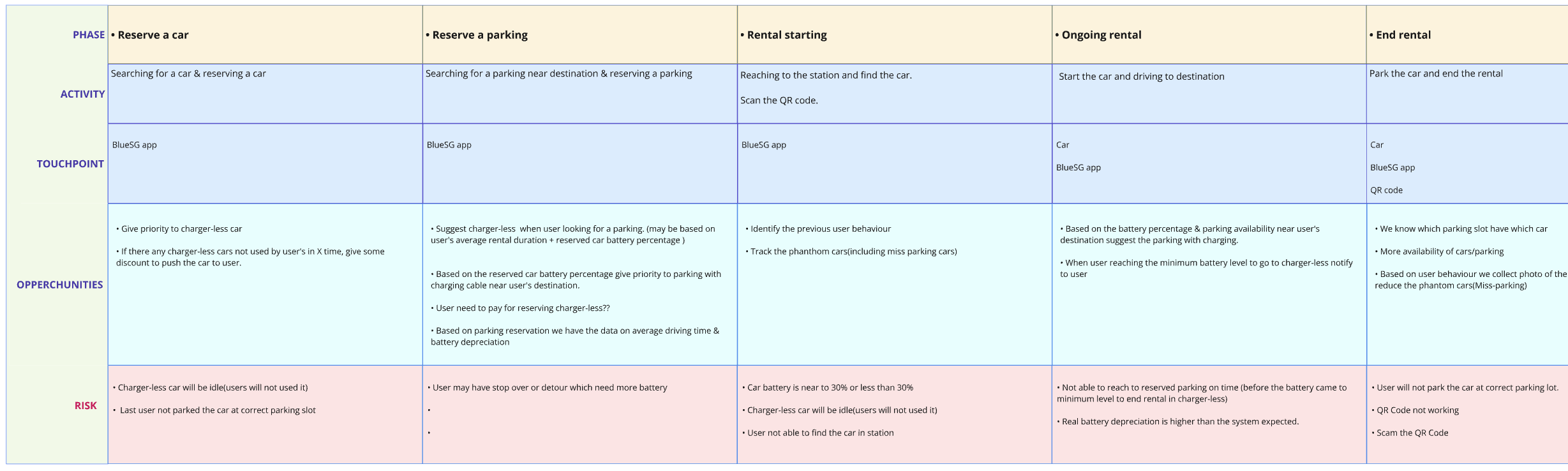
FUTURE STATE JOURNEY
Opportunities & risks
Future state journey map to identify the opportunities and risks
IDEIATION WORKSHOP
How do we support the ideal solution
To facilitate our generation phase, further reframed our design requirements into critical actionable statements that are broad enough to allow multiple solutions, but narrow enough to set focus.
APPROACHING A SOLUTION
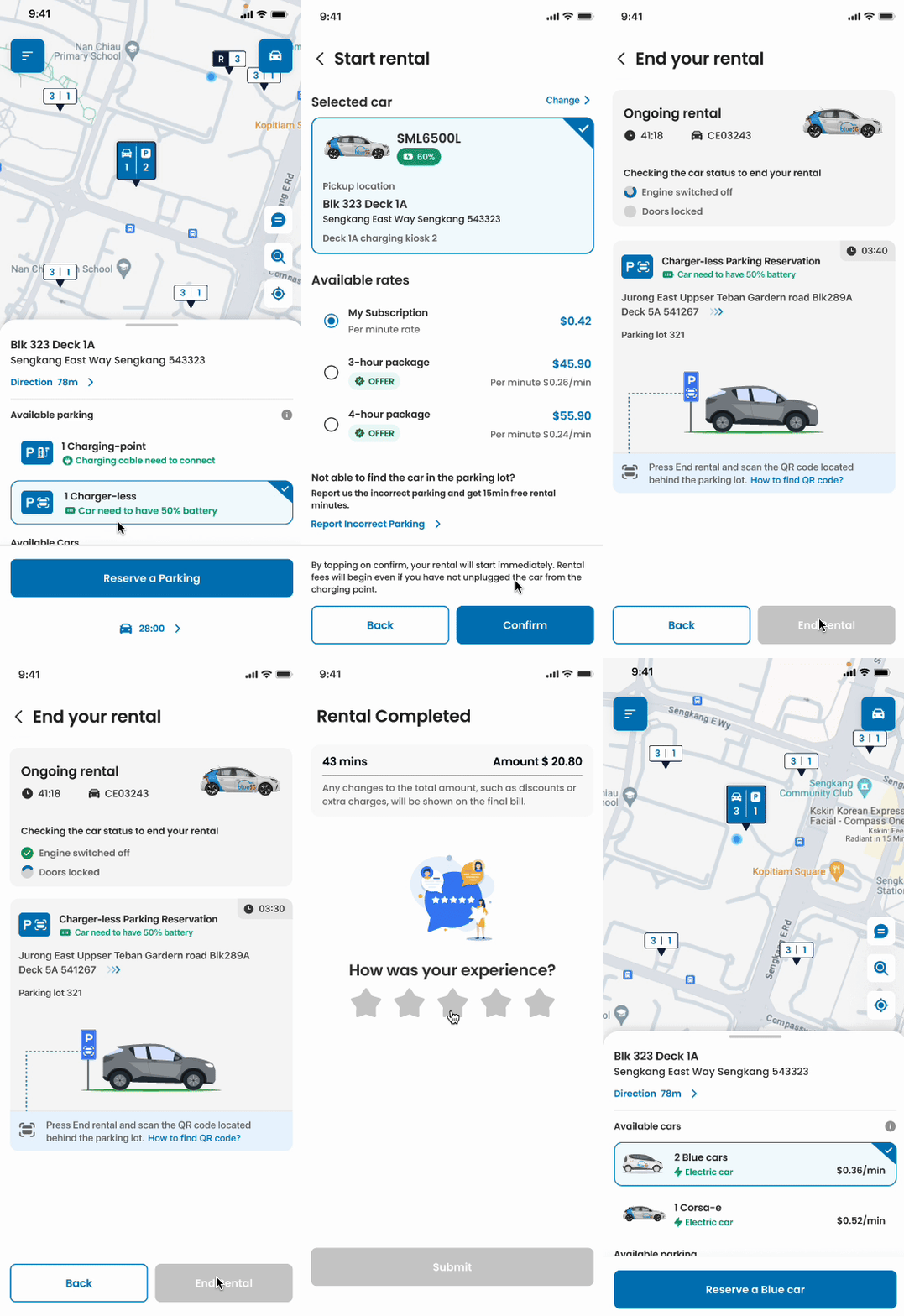
Mapping the user flow
Considering the workshop outcome, map out the user flow and the wireframe to speed up the process.
DESIGN GOALS
Emphasizing progress through visual
Design the flow using by shaping first impressions, improving usability, reinforcing brand identity, and creating emotional connections.
VALIDATE THE DESIGN
Usability testing
Created fully functional, high-fidelity prototype of the new flows using Figma. At the same time, I started recruiting subjects for the test who fit our criteria. By creating a usability test plan with 10 tasks, conducted 4 usability tests.
Usability test KPI
<22.5s
Avg time on task
2.5%
User error rate
3.95/5
Avg task rating
76.59%
SUS score
ITERATIONS
Tweaking the design
Mapping the usability test insights and completed the iterations
DELIVER
Visual design
Finalised visual design presented to the management team and got the green light to implement.
NEXT STEPS
Post mortem analysis
Tracking the user flows through Mixpanel and working closely with the data team to understand user behaviours and how they use these features, the average time they have taken to complete the flows, and identify the places where they are struggling with.
  • Continuously collecting user feedback.
  • Setting up the Mix-panel dashboard to monitor user actions(User drop rates, Ave time taken, etc...).